Mon - Sat: 10:00am to 7:00pm
Diabetes can affect the delicate blood vessels and structures inside the eye, sometimes before any noticeable change in vision occurs.
Regular eye examinations help detect diabetes-related changes at an early stage and allow your ophthalmologist to recommend appropriate monitoring and care.
Diabetes-related eye disease can develop gradually and may not cause pain or obvious vision changes during its early stages. A detailed retinal examination can help identify changes before they become more advanced.
Diabetic retinopathy occurs when prolonged high blood sugar damages the small blood vessels of the retina. Diabetes can also affect the macula and cause swelling that may affect central vision.
Diabetes can affect different parts of the eye. Regular ophthalmic evaluation helps identify changes and determine the appropriate follow-up.
Damage to the small blood vessels of the retina caused by diabetes may affect retinal health and vision.
Fluid accumulation around the macula can affect central vision and detailed vision.
Diabetes can damage retinal blood vessels and lead to leakage or abnormal vessel growth.
Blurred, distorted or fluctuating vision can occur when diabetes affects the eye.
New floaters or flashes may require prompt evaluation of the retina.
Advanced diabetic eye disease can result in significant vision impairment if not appropriately managed.
One of the important aspects of diabetic eye care is regular retinal screening. Diabetic retinopathy may be present even when vision appears normal.
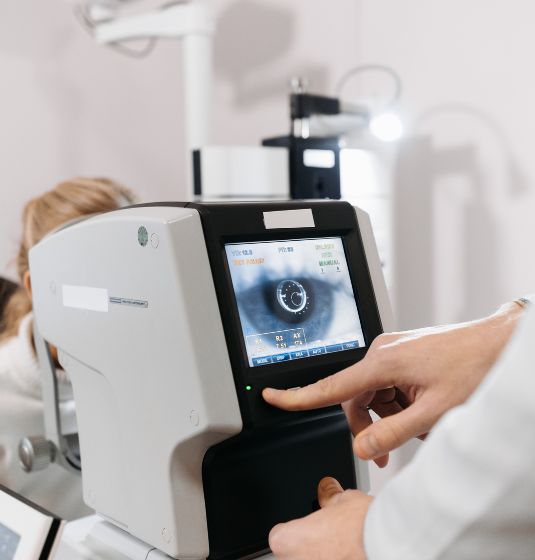
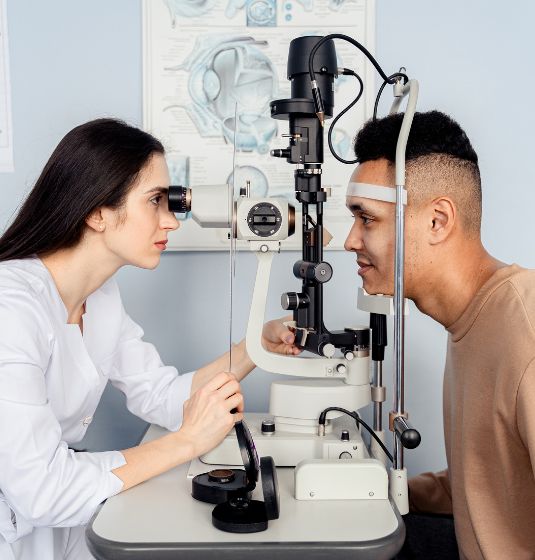
Depending on the patient's condition, eye evaluation may include a comprehensive examination and retinal imaging. The frequency of follow-up depends on the individual's diabetes status and retinal findings.
Diabetic eye disease can initially have no symptoms. However, changes in vision should always be evaluated by an eye-care professional.
Vision may become blurry or fluctuate at different times.
Straight lines or objects may appear distorted or unusual.
Spots, strings or dark shapes may appear in the field of vision.
Any sudden or unexplained reduction in vision requires prompt evaluation.
Managing diabetes, blood pressure and other health factors along with regular eye examinations can play an important role in reducing the risk of diabetes- related eye complications.
Keep up with retinal examinations even when your vision feels normal.
Follow your physician's advice for diabetes and blood glucose management.
Blood pressure control is also important for overall retinal health.
Assessment of vision and retinal health based on your individual needs.
Identifying retinal changes before they become advanced can support timely management.
Follow-up intervals are tailored according to retinal findings and individual risk.
Eye care works alongside your overall diabetes management plan.
Schedule a diabetic eye evaluation with Dr. Monika Garg and stay proactive about your vision.